
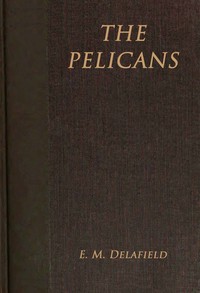
The pelicans by E. M. Delafield
First published in 1918, 'The Pelicans' drops us into a London still reeling from the Great War. The story follows the residents of a hostel for young women, run by the devoted but hopelessly out-of-touch Miss Quibell. Her boarders—the 'Pelicans'—are a mixed bag: there's the sensible, quietly observant Lesbia; the dramatic, self-absorbed Valentine; and others just trying to navigate work, friendship, and independence in a society that isn't quite sure what to do with them.
The Story
The plot isn't driven by grand events, but by the small collisions of personality within the hostel's walls. Miss Quibell, with her rigid rules and sentimental ideals, constantly misunderstands her charges. The young women, in turn, navigate her whims while dealing with their own dramas—unrequited crushes, career frustrations, and the simple struggle to be taken seriously. The tension comes from watching these two worlds—the older generation's idea of protection and the younger generation's desire for freedom—gently, and often comically, crash into each other. It's a story about the chaos of good intentions.
Why You Should Read It
Delafield is a master of the quiet, telling detail. Her humor isn't loud; it's the kind that makes you smile in recognition. She captures the tiny hypocrisies and unspoken rules of communal living perfectly. What I love most is that no one is a villain. Miss Quibell is frustrating, but her heart is in the right place. The girls can be silly and self-centered, but you understand why. The book is a brilliant, compassionate study of how hard it is to truly help someone, and how much harder it is to accept help. It’s about the gap between theory and practice in everything from charity to friendship.
Final Verdict
This is a book for anyone who enjoys character-driven stories with wit and heart. If you like authors like Barbara Pym or Jane Austen's focus on social nuance, you'll feel right at home. It's also a fascinating, ground-level look at the social shifts after WWI, showing how the war changed life for young women in subtle, everyday ways. Perfect for readers who appreciate historical fiction that feels immediate, or for anyone who's ever sighed after a particularly frustrating committee meeting. A true, understated gem.
This book is widely considered to be in the public domain. Feel free to use it for personal or commercial purposes.
John Lee
11 months agoThe clarity of the concluding remarks is very professional.
Robert Lee
4 months agoThe peer-reviewed feel of this content gives me great confidence.
Kimberly Miller
3 months agoI took detailed notes while reading through the chapters and the visual layout and supporting data make the reading experience very smooth. I'm genuinely impressed by the quality of this digital edition.
Kimberly Lee
8 months agoI've gone through the entire material twice now, and the insights into future trends are particularly thought-provoking. It’s a comprehensive resource that doesn't feel bloated.








Donald Miller
1 month agoAfter a thorough walkthrough of the table of contents, the case studies and practical examples provided add immense value. I'll be citing this in my upcoming project.