
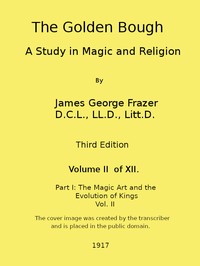
The Golden Bough: A Study in Magic and Religion (Third Edition, Vol. 02 of 12)
Let's be clear: 'The Golden Bough' isn't a novel with a plot. Think of it as a massive, globe-trotting investigation. Frazer starts with a single, puzzling ritual from ancient Italy—where a priest could only be replaced by someone who killed him—and asks, 'Why on earth would that be?' This second volume follows one major thread of his answer: the sacred king.
The Story
Frazer's 'story' is the hunt for a pattern. He collects hundreds of examples of kings and priests who were treated as gods. Their lives were governed by incredibly strict taboos (don't touch the ground, don't see the sun, don't cut your hair). But here's the twist: their power had an expiration date. In many cultures, from Scandinavia to Africa to the ancient Mediterranean, these divine rulers weren't allowed to die of old age or sickness. To prevent their weakness from infecting the crops, the animals, or the whole kingdom, they were ritually killed—often by their own successor. Frazer tracks this grim idea through history and legend, suggesting it might be the hidden root behind myths of gods like Osiris, Dionysus, and even figures in folk tales.
Why You Should Read It
You should read this not for final answers, but for the breathtaking scope of the question. Frazer's method is his madness: he throws everything at the wall. Reading page after page of these parallel customs—a king in one place who can't leave his hut, a priest in another who must be murdered after a set number of years—creates a hypnotic, almost eerie effect. You start seeing connections everywhere. It makes you realize how common human anxieties about fertility, survival, and power really are. Yes, his scholarship is over a century old and later anthropologists have pushed back on many of his broad conclusions. But that's part of the fun now. You're engaging with a foundational, flawed, and fascinating mind. It’s the intellectual ancestor to every 'big history' book or podcast that tries to find the story of us.
Final Verdict
This is for the curious, patient, and slightly macabre reader. It's perfect for myth lovers who want to go deeper than 'just the story,' for history buffs interested in the weird underbelly of ancient power, and for anyone who enjoys big, ambitious, and controversial ideas. Don't expect a tight, modern narrative. Do expect to be fascinated, occasionally bewildered, and to have your brain buzzing with strange new connections for weeks. Just maybe don't read it right before bed if tales of ritual regicide bother you.
This digital edition is based on a public domain text. Thank you for supporting open literature.
Matthew Flores
1 year agoNot bad at all.
Aiden Torres
1 year agoBased on the summary, I decided to read it and the storytelling feels authentic and emotionally grounded. Truly inspiring.
Mark Williams
1 year agoEnjoyed every page.
Kevin Thompson
6 months agoComprehensive and well-researched.





Joshua Jackson
1 year agoAfter hearing about this author multiple times, the atmosphere created is totally immersive. Absolutely essential reading.